






We continue our annual acts of Remembrance with more stories of the brave souls who fought for our freedom. Here are some of Wrexham’s armed forces from days gone by.
The Wrexham museum and archives services hold a treasure trove of information and artefacts from our city’s history. Let’s take another look behind the scenes and see who else there is to meet from Wartime Wrexham.
Fallen in action
The devastating reality of conflict is the number of fatalities and casualties that sadly accompanies war. Many friends and family members of those serving in battle had agonising periods waiting to hear whether their loved ones had survived.
Mr and Mrs F. Johnson of Ruabon, unfortunately, received the news every parent dreaded. The official notification arrived informing them their son, Alfred Johnson, had been killed in action on September 8, 1943, in Italy.
Alfred was 23 when he passed away. He was one of five sons who were all serving in the war effort. His brother, Joseph, was also killed in action while fighting in Dunkirk.
Alfred was serving in Malta and had done so for three years. He’d been away from home for three and a half years, at which point, he met his younger brother, Harold, in Egypt.
- Info -

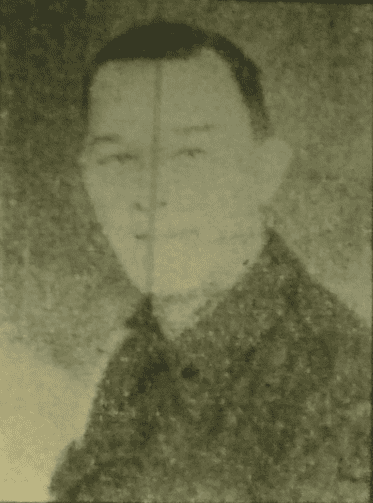
Another mother, Mrs W. M. O’Malley, also received the tragic news that her son, Patrick O’Malley had been killed in active service.
Gunner Patrick O’Malley was a 21-year old signaller for the Royal Horse Artillery. After completing his education at the National School in Wrexham, Patrick furthered his learning at the Denbighshire Technical College.
Local reports say that Patrick remained in college until he secured a job with Messrs W. Phillips & Co. on the High Street and remained there for three years.
Patrick had been a boy chorister at Gresford Parish Church for many years before joining the choir at St. John’s Church in Hightown. It was here that he became their senior boy chorister.
In January 1942, young O’Malley joined H.M. Forces. He went into training for his new occupation and it was noted how keen he was to succeed. It did not take long for Patrick to pass his examination and become a signaller for the forces.
It is mentioned in the local news article that reported Gunner O’Malley’s passing that, upon his landing overseas, he immediately began writing home to friends and family. Every letter sent from Patrick was full of cheer, good wit and humour which was typical of his character.

A break in the silence
Many of those who remained on the home front would often receive news that their loved ones had been reported as “Missing in Action”. Once the news had been received, there would often be silence.
This silence could last many months and would have probably felt a great deal longer for those wanting to know more. They were desperate to know if their family members had either been killed in action or had become a prisoner of war.
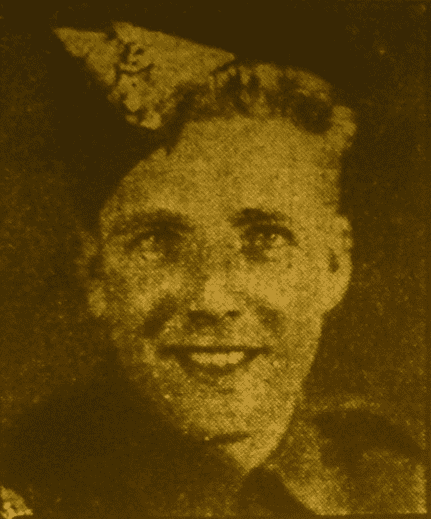
Mr and Mrs R. S. Wright of Rhosllanerchrugog waited in that silence for twelve months. They were waiting further news on what had become of their only son, Gunner Dennis Wright.
Dennis had been a prisoner of war in Borneo for two and a half years. His parents finally received a postcard from Dennis, which was dated December 25, 1943.
In the postcard, he told them he was keeping in “good health” and hoped that they were keeping well too. He also told them not to worry about him and that they should “keep smiling”.
This news came as a great relief to Mr and Mrs Wright, as well as the many friends Dennis had who were also very anxious to hear whether their friend was okay.
Facing adversity with courage
Whilst we naturally remember those who fell in battle, we also remember those who had their lives turned upside down during their service. An enormous amount of resilience and courage was displayed in every rank of our armed forces.
The mental bravery and steely determination of our soldiers was recognised with many different honours and medals.
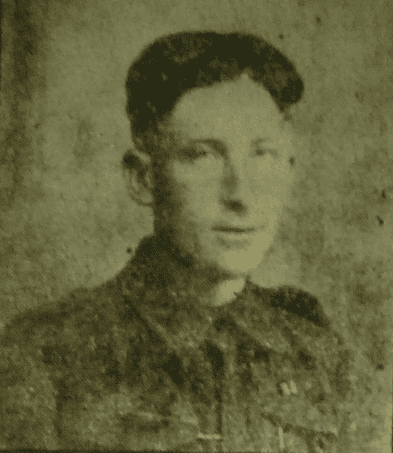
Sergeant Harold Lancelotte, Royal West Kent Regiment, was awarded the Military Medal whilst serving with the M.E.F.
Sergeant Lancelotte of Garden Village, Wrexham, had served as a Battalion Signal Sergeant. He served throughout the North African, Sicilian and Italian campaigns.
His consistently excellent initiative through many testing times led to his commanding officer noting that Sergeant Lancelotte’s name had become a byword for efficiency among his comrades.
In order to maintain wireless communication signals to his platoon, Sergeant Lancelotte braved treacherous weather conditions and shellfire alone to repair the lines that had been damaged by vehicles and shellfire.
Under his command, his platoon gained praise and recognition for their high standard of efficiency by the N.C.O’s and battalion.
His lack of fear in the face of such peril was an inspiration to his fellow comrades and was thought to be the secret to the many triumphs the platoon achieved.
Why not see if you can find heroic tales from the war in your family? Our archive service has a new search room based in the Wrexham library. It is open during office hours Monday – Wednesday. Pop in during their opening times and see who you might discover in your family tree.