Organised displays have adequate planning and insurance. Organisers will have taken all necessary safety measures into consideration. There are several organised displays happening this week in the Wrexham that include, but are not limited to:
- Penyllan Farm, Marchwiel, Wrexham – Sunday November 9, 4pm
- Chirk AAA’s, Chirk – 5/11/25
- Hotel Wrexham, Holt road – 5/11/25
- Llay Miners Welfare Football Club, The Ring, Llay New Road, Llay, Llay – 7/11/25.
- Safe Places Firework Event, Sunday, November 16, 4pm, Brymbo Sports & Social Complex
There are currently no official bonfires or firework displays operated by or on Wrexham Council land. Setting off fireworks in parks or public spaces in Wales without specific prior authorisation and insurance is banned.
Unauthorised events and displays can lead to anti-social behaviour, safety risks, and noise pollution. They can also well have negative impacts on animals, vulnerable people (e.g. those with PTSD, autism, or hearing sensitivities), and the environment.
If you’re setting off fireworks
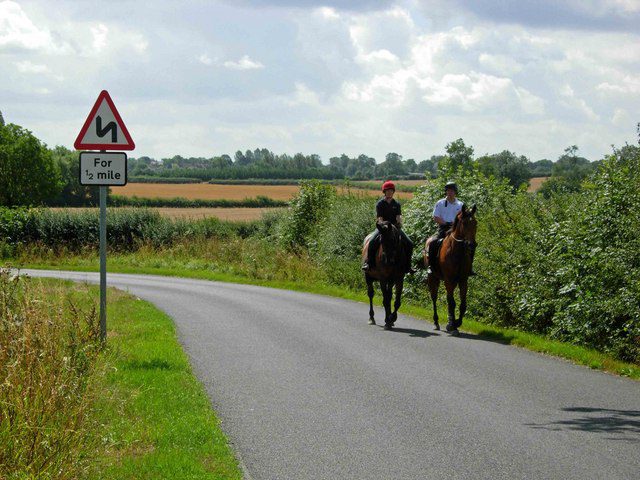
Not all pets or farm animals can be taken indoors during bonfire night and animals such as horses can become horribly stressed and even bolt often leading to harming themselves. If you intend to set off fireworks in an area you know there’s livestock please consider using low noise fireworks, they’re very good and are less of a threat to animals.
Also make sure you let the surrounding neighbourhood know so they can take the necessary precautions.
In 2019 our full Council voted on a motion about fireworks and agreed:
- to require all public firework displays held on Council land and/or which are subject to the consent of the Local Authority to be advertised three weeks in advance of the event, allowing residents to take precautions for their animals and vulnerable people; *However our current policy is that any applications for bonfire and fireworks displays on Council land will not be supported.
- to actively promote a public awareness campaign about the impact of fireworks on animal welfare and vulnerable people – including the precautions that can be taken to mitigate risks;
- to write to the Welsh Government urging them to utilise any levers at their disposal to mitigate any negative impacts on animals and vulnerable people of the hosting of fireworks displays;
- to encourage local suppliers of fireworks to stock ‘quieter’ fireworks for public display; and
- to write to National Government asking for tighter controls on the use of fireworks.
North Wales Fire And Rescue have put the below article together that’s full of advice to help keep you and your family safe and help you make informed decisions whilst celebrating bonfire night.
GUEST ARTICLE – NORTH WALES FIRE AND RESCUE
Firework and Bonfire Safety
Our advice would be to attend an organised event if you can rather than risking your safety by having your own bonfire or fireworks display.
If you want to buy fireworks for use in your garden, you can. But fireworks are dangerous, and you should think very carefully about doing so. If you do buy fireworks for your own use, you should always follow the Firework Code.
You shouldn’t set off fireworks in a park or other public open space. All local authorities in Wales have banned this.
If you do decide you want to have your own bonfire or fireworks display, please follow the guidelines below:
Firework safety
- Fireworks must not be sold to anybody under the age of 18
- Only buy fireworks that are CE marked
- Keep fireworks in a closed metal box
- Always supervise children and young people around fireworks
- Keep pets indoors
- Don’t drink alcohol if setting off fireworks
- Keep naked flames, including cigarettes, away from fireworks
- Read and follow the instructions on each firework, use a torch if necessary
- Direct any aerial fireworks well away from people whilst taking into account properties, trees and direction of the wind
- Always keep a bucket or two of water or a hose pipe ready
- Light at arm’s length by using a taper
- Never go back to a firework that has been lit even if it has not gone off as it may explode
- Don’t let off noisy fireworks after 11pm.
Where to buy
Don’t cut corners just to save money. Always buy fireworks from a reputable shop to make sure that they conform to CE standards. CE marking is a certification mark that indicates conformity with health, safety, and environmental protection standards for products sold within the European Economic Area (EEA).British Standards.
Sometimes shops open up for a short time before Bonfire Night but these may not be the best places to buy fireworks from. Staff in these shops might not be very knowledgeable about using fireworks safely and their fireworks might not meet British Standards.
Whatever you do, don’t buy fireworks from anywhere you’re not sure about, such as the back of a van or from a temporary, unlicensed market stall.
What to buy
There are different categories of fireworks. Members of the public can buy and set off most of the fireworks that come under Categories 1 to 3.
Always read the packet carefully and make sure that the fireworks you buy are suitable for the place where you are going to set them off.
Read more about Fireworks – the law here.
Sparkler safety
- Never give a sparkler to a child under the age of 5
- Always light sparklers one at a time and wear gloves
- Never hold a baby or child if you have a sparkler in your hand
- Don’t take sparklers to public displays, it will be too crowded to use them safely
- Plunge finished sparklers hot end down into a bucket of water or sand as soon as they have burnt out as they can stay hot for a long time.
- Always supervise children using sparklers
- Avoid dressing children in loose or flowing clothes
- Show children how to hold sparklers safely – away from their body and at arm’s length
- Teach children not to wave sparklers near anyone else or run while holding them.
Bonfire Safety
It is much better to manage without a bonfire – think about fire safety and also the pollution bonfires can create.
However if you decide to go ahead with lighting a bonfire, please follow the advice below:
- Inform North Wales Fire and Rescue Service Control of the bonfire on 01931 522006. Information they will ask includes;
- Your name and contact details
- The location of the bonfire
- Where it might be seen from
- Start and end time
- One person should be responsible for the bonfire and children should be supervised at all times.
- Choose a site away from properties, wooden fences, sheds and where children will be playing
- Only use dry material and do not put household waste, plastic, batteries, aerosols or other gas cylinders on the fire
- Never pour petrol, paraffin or methylated spirits on to a fire – it’s safer to use fire lighters to prevent flare-ups
- Keep buckets of water or a hose pipe handy in case of an accident
- Avoid loose clothing and tie back long hair
- After the bonfire has finished, pour water on the fire, rather than leaving it to burn out.
- If a bonfire does get out of control, do not attempt to tackle it yourself – call 999
Flying Lanterns
Flying lanterns are also known as Chinese Lanterns, Wish Lanterns or Sky Lanterns. Traditional flying lanterns go back thousands of years in both Chinese and Thai celebrations, but are becoming more popular worldwide for celebrating weddings, birthdays, anniversaries or any other special event.
The lanterns are generally made from paper supported by a wire frame with a holder at the bottom for a solid fuel cell. The paper outer may or may not be fire retardant. Sizes and shapes vary usually 90cm high with a diameter of about 80cm. Flying times suggested by manufacturers vary from 6 minutes up to 20 minutes with heights claimed to be up to 1 mile!
Whilst lighting and launch are mostly in the control of the user, the actual flight path and end destination are usually not. There is no guarantee that the fuel cell will be completely out and cooled when the lantern eventually descends and any contact with a flammable surface could result in a fire developing.
There is evidence of them causing fires, wasting police time, being mistaken for distress flares, misleading aircraft and killing livestock.
The risk of these occurrences will only increase if the use of Chinese lanterns increases, therefore North Wales Fire and Rescue Service does not support the use of these devices and asks members of the public and event organisers to refrain from using them.
Whilst these lanterns are undoubtedly a popular and beautiful sight, the potential damage they can cause is significant.