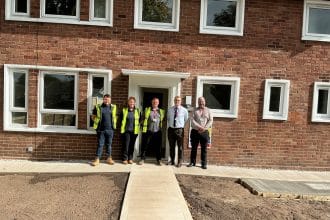
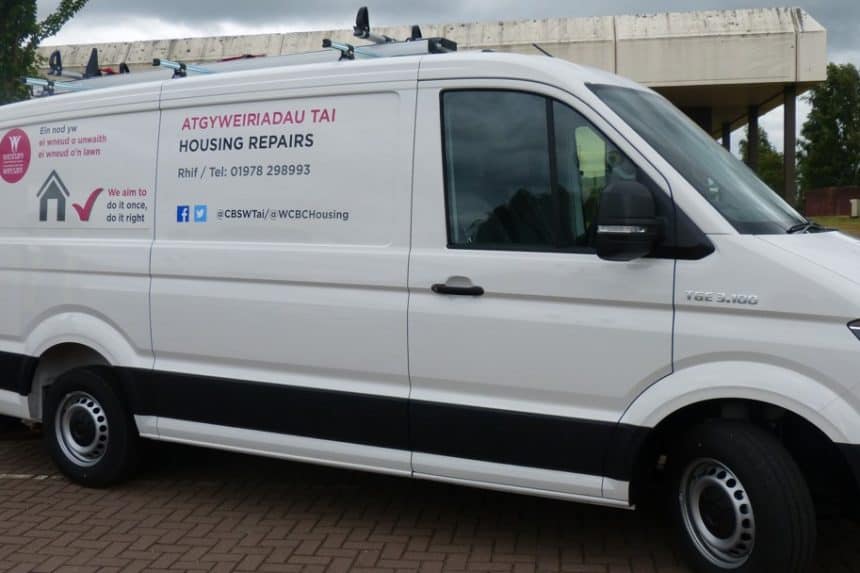
Work has been progressing within Wrexham Council’s Housing Repairs department to prioritise reducing outstanding repairs and improving service delivery for contract holders.
In early 2024, the number of outstanding repairs was approximately 5,500. Since then, sustained efforts have been made to reduce this backlog, which had grown significantly during the Covid period.
The ongoing work behind the scenes has led to a steady reduction in the repairs backlog, bringing it down to a significantly lower level. As of 21st May 2026, the number of outstanding repairs had fallen to 1,375 .
This is the lowest figure recorded since 2020, prior to the Covid period, where Government restrictions contributed to a rise in outstanding repairs.
Recently there has also been an increase in the amount of repairs that are being reported to the Council. The department is currently receiving 350-400 more repair requests per month than any previous year, therefore this rise in demand means there is a focus on how best to manage and resource the service to maintain performance levels.
As part of the reduction work, the longest‑outstanding repairs have been prioritised to address historic issues, and any remaining older repairs continue to be treated as a priority.
Following the reduction in repairs, there will be a larger priority focus on the refurbishment of empty properties, to ensure they are updated to the Welsh Housing Quality Standard. Previously, an internal Repairs Improvement Group was set up to address the outstanding repairs, which has now finalised as the repairs figures are at a manageable pace.
Cllr Terry Evans, Lead Member for Housing said, “Bringing the number of outstanding repairs down to the lowest level since before the pandemic shows the commitment to improving the service for our contract holders. In Housing, we will continue to focus efforts on delivering high‑quality repairs.”
While the Council is responsible for repairs to its properties, there are some small tasks that contract holders (tenants) can carry out themselves to help reduce the overall backlog. These include simple jobs such as replacing plugs and sink chains, toilet seats and lids, or items like clothes lines.
To help prevent drainage issues, it’s important not to flush inappropriate items down the toilet. Things like nappies, cotton buds and wet wipes (even those labelled “flushable”) can cause blockages. Only flushing suitable items helps keep the system running smoothly and allows us to focus on urgent repairs more quickly. We advise avoiding pouring fats, oils or grease down sinks, as these can harden and lead to further blockages.
Everyday living habits can contribute to damp and mould. Allowing moist air to escape and keeping surfaces dry makes a big difference. Opening windows slightly for 5–10 minutes a day improves ventilation, while leaving space behind furniture and placing it against internal rather than external walls helps reduce trapped moisture. Keeping kitchen and bathroom doors closed during cooking, washing up, bathing or drying clothes also prevents steam spreading to other rooms.
You can find out more about responsibilities and tips in our Council property Guide to your Home document.