Category: Featured

Featured posts

  • Tax credits customers warned about scammers posing as HMRC

    Tax credits customers warned about scammers posing as HMRC

    Guest Article – HMRC

    HM Revenue and Customs (HMRC) is warning tax credits customers to be aware of scams and fraudsters who imitate the department in an attempt to steal their personal information or money.

    About 2.1 million tax credits customers are expected to renew their annual claims by 31 July 2022 and could be more susceptible to the tactics used by criminals who mimic government messages to make them appear authentic.

    Get news and info from your local council – sign-up for email bulletins.

    In the 12 months, to April 2022, HMRC responded to nearly 277,000 referrals of suspicious contact received from the public. Fraudsters use phone calls, text messages and emails to try and dupe individuals – often trying to rush them to make decisions. HMRC will not ring anyone out of the blue threatening arrest – only criminals do that.

    Typical scam examples include:

    • phone calls threatening arrest if people don’t immediately pay fictitious tax owed. Sometimes they claim that the victim’s National Insurance number has been used fraudulently
    • emails or texts offering spurious tax rebates, bogus COVID-19 grants or claiming that a direct debit payment has failed

    Myrtle Lloyd, HMRC’s Director General for Customer Services, said, “We’re urging all of our customers to be really careful if they are contacted out of the blue by someone asking for money or bank details.

    “There are a lot of scams out there where fraudsters are calling, texting or emailing customers claiming to be from HMRC. If you have any doubts, we suggest you don’t reply directly, and contact us straight away. Search GOV.UK for our ‘scams checklist’ and to find out ‘how to report tax scams’.”

    HMRC does not charge tax credits customers to renew their annual claims and is also urging them to be alert to misleading websites or adverts designed to make them pay for government services that should be free, often charging for a connection to HMRC phone helplines.

    Customers can renew their tax credits for free via GOV.UK or the HMRC app and are advised to search GOV.UK to get the genuine information and guidance.

    Renewing online is quick and easy. Customers can log into GOV.UK to check the progress of their renewal, be reassured it is being processed and know when they will hear back from HMRC. Customers choosing to use the HMRC app on their smartphone can:

    • renew their tax credits
    • update changes to their claim
    • check their tax credits payments schedule, and
    • find out how much they have earned for the year

    HMRC has released a video to explain how tax credits customers can use the HMRC app to view, manage and update their details.

    If there is a change in a customer’s circumstances that could affect their tax credits claims, they must report the changes to HMRC. Circumstances that could affect tax credits payments include changes to:

    • living arrangements
    • childcare
    • working hours, or
    • income (increase or decrease)

    Tax credits are ending and will be replaced by Universal Credit by the end of 2024. Many customers who move from tax credits to Universal Credit could be financially better off and can use an independent benefits calculator to check. If customers choose to apply sooner, it is important to get independent advice beforehand as they will not be able to go back to tax credits or any other benefits that Universal Credit replaces.

    Get our top stories by email.

    [button color=”” size=”large” type=”square_outlined” target=”new” link=”https://public.govdelivery.com/accounts/UKWCBC/subscriber/new?topic_id=UKWCBC_5″]SIGN UP[/button]

  • Stranger saves a mother’s life by donating stem cells

    Stranger saves a mother’s life by donating stem cells

    Guest Article – Welsh Blood Service

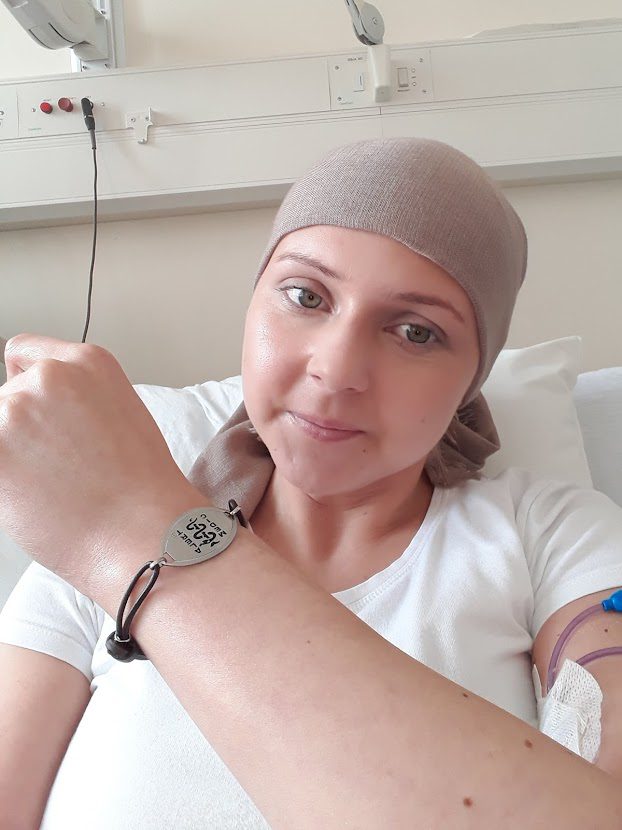
    Simona Dubas, a mother from Newport, was diagnosed with cancer at 27 years old. Now fully recovered, following a successful stem cell transplant, Simona is urging more young people across Wales to join the Welsh Bone Marrow Donor Registry this World Blood Cancer Day (28 May).

    When her son Frank was just four years old, Simona discovered she had a blood cancer known as acute myeloid leukaemia. After three unsuccessful rounds of intensive chemotherapy, Simona underwent a lifesaving stem cell transplant in 2018 after finding a perfectly matched female donor from Germany.

    Get news and info from your local council – sign-up for email bulletins.

    After being diagnosed, Simona said, “I think I didn’t comprehend the seriousness of the situation at first. I was more worried about the practical side of me being in hospital. For example, who is going to look after my son when my husband is at work?”

    While Simona went on to make a full recovery, around 30% of blood cancer patients will not find the potentially lifesaving bone marrow match they need.

    Today, Simona and the Welsh Blood Service are urging more 17 to 30-year-olds to join the Welsh Bone Marrow Donor Registry.

    Simona commented, “Becoming a stem cell donor is very important because the chances of a family member being a match for a patient are quite low.”

    “When I found out there was a donor matched to me, I was unbelievably grateful, and I think overwhelmed by the selfless gesture. It is something you cannot describe in words.

    “For many people with blood cancer and other blood disorders, a transplant is their only chance to recover from their illness. If you’re thinking of registering, think about how proud you’d be if you saved someone’s life.”

    Stem Cell

    Across the world, over 50,000 patients a year hope to find a suitable bone marrow match from an unrelated donor.

    There are two ways volunteers can sign up to the Welsh Bone Marrow Donor Registry, by requesting a swab kit through the Welsh Blood Service or by providing an extra blood sample when giving blood.

    Dr Keith Wilson, a Consultant Haematologist at the University Hospital of Wales, said: “For many patients with blood cancer, a stem cell transplant represents their best chance of making a full recovery however, only 25 per cent of patients will find a donor within their family. The vast majority rely on unrelated volunteers to have any prospect of recovering from their illness.

    Blood cancers stop bone marrow from working correctly, and for these patients, the best hope of recovery is to receive a stem cell transplant. A stem cell transplant replaces damaged cells with healthy ones and is often the last treatment option for blood cancer patients following radiotherapy and chemotherapy.

    Dr Wilson continued, “We need more volunteers to join the Registry because new tissue types are discovered year on year. Those needing a transplant rely on a donor with a compatible tissue type, so the bigger the donor pool, the better the chance of matches being found for these patients.”

    Dr Tracey Rees, Chief Scientific Officer at the Welsh Blood Service, said: “World Blood Cancer Day is an excellent opportunity to focus on thanking those who have signed up as potential donors and those who have gone on to donate their stem cells.

    “This selfless act brings hope to so many patients and their loved ones, but there is still much to do for us to extend this chance to everyone in need of an unrelated donor.

    “Despite millions of donors being registered across the world, some patients still won’t find the match they need. It is so important young people continue to join the Registry.”

    If you are aged between 17 and 30, visit welshblood.org.uk to start your journey in the fight against blood cancer.

    Get our top stories by email.

    [button color=”” size=”large” type=”square_outlined” target=”new” link=”https://public.govdelivery.com/accounts/UKWCBC/subscriber/new?topic_id=UKWCBC_5″]SIGN UP[/button]
  • Cherry Hill Day Nursery receives Healthy and Sustainable Pre-school award

    Cherry Hill Day Nursery receives Healthy and Sustainable Pre-school award

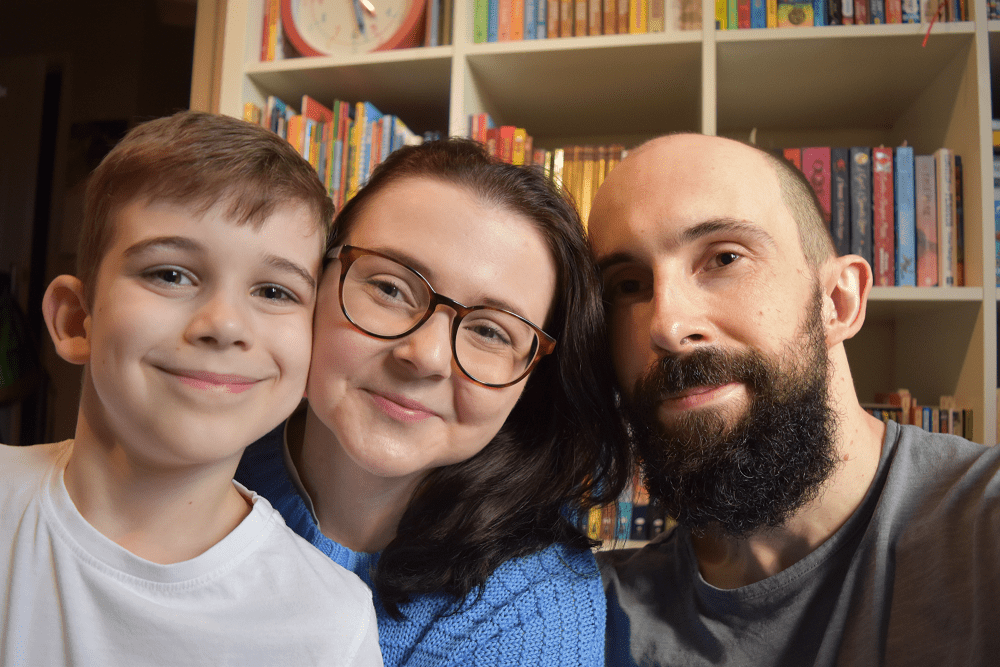
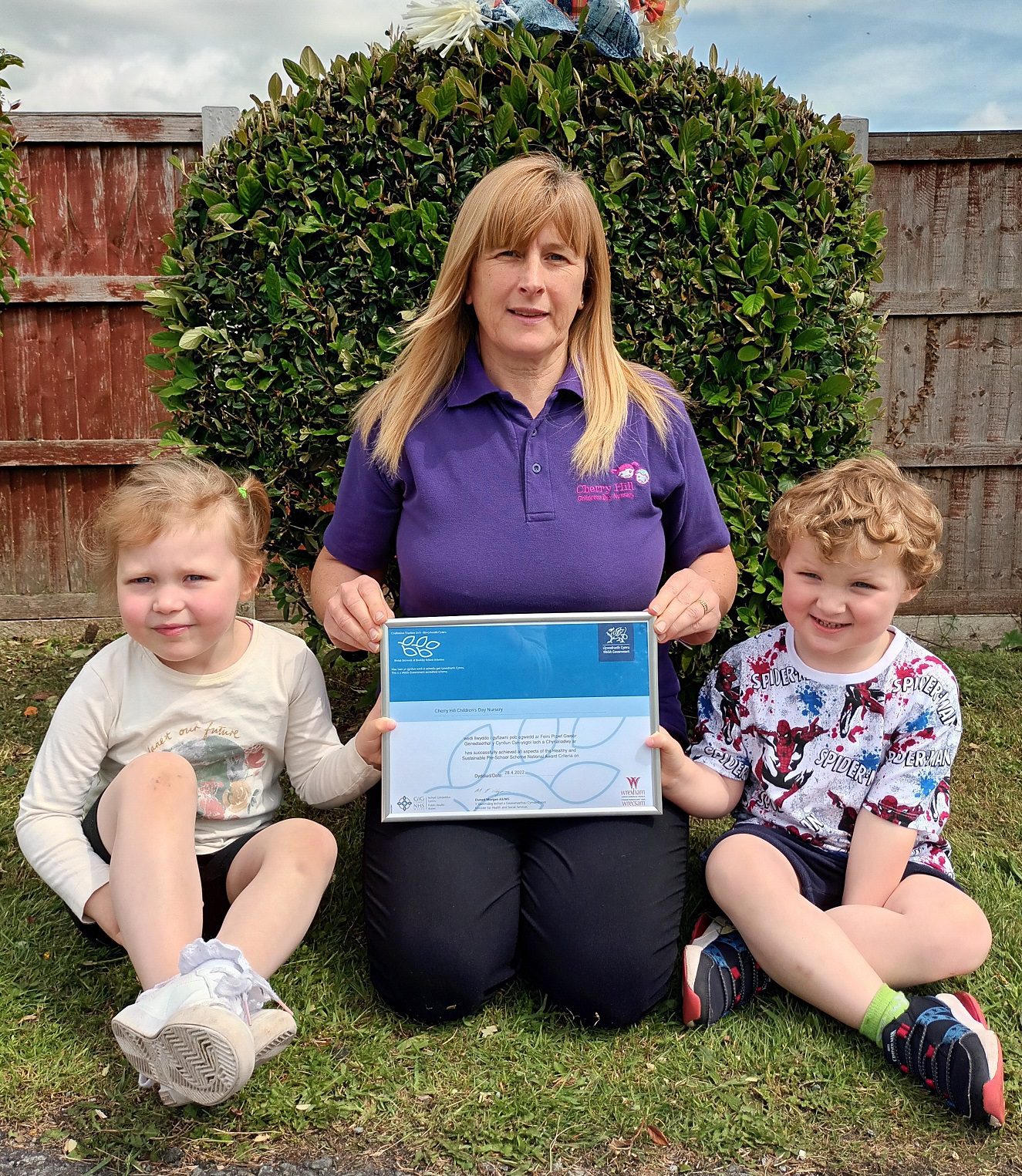
    Cherry Hill Children’s Day Nursery has received the respected Healthy and Sustainable Pre-School Scheme National Award from Welsh Government.

    By achieving the award Cherry Hill Children’s Day Nursery has successfully demonstrated that they’ve implemented actions that covered a wide range of health issues including, Nutrition and Oral Health, Physical Activity/Active Play, Mental and Emotional Health, Wellbeing and Relationships, Environment, Safety, Hygiene and Workplace Health and Wellbeing.

    Get news and info from your local council – sign-up for email bulletins.

    As well as focusing on these health areas they have also achieved the ‘Tiny Tums Award’ in which recognises that food served is part of the Designed to Smile programme which is a targeted National Oral Health Improvement Programme.

    They have a fantastic outdoor space for children to play and learn as well as high standards for safety and hygiene.

    Helen Jones, Healthy Pre Schools Officer for Wrexham County Borough Council said: “Cherry Hill Children’s Day Nursery has shown that the general health and well-being of children and staff is at the forefront of the setting.

    “The environment of the setting is outstanding both indoors and outdoors. They embrace all initiatives that can help to influence practice in the setting and make the experience for staff and children extra special. I am sure they will continue to promote a healthy and happy environment for the children that pass through their care in the future.”

    Cherry Hill manager Lisa Holland has said “Cherry Hill is thrilled to have received this award”.

    The Scheme operates across Wales and is managed by Public Health Wales and supported locally by the Wrexham County Borough Council’s Healthy Schools Team.

    Get our top stories by email.

    [button color=”” size=”large” type=”square_outlined” target=”new” link=”https://public.govdelivery.com/accounts/UKWCBC/subscriber/new?topic_id=UKWCBC_5″]SIGN UP[/button]
  • If you’re preparing food for a Jubilee event please read on to stay safe

    If you’re preparing food for a Jubilee event please read on to stay safe

    As we all look forward to the Jubilee Bank Holiday weekend we’re joining forces with the Food Standards Agency (FSA) to make sure any food you prepare to serve at a celebration event is safe for your guests to eat.

    To ensure a risk-free celebration, remember warm weather and outdoor cooking are the perfect conditions for bacteria to grow, and risks remain when preparing and serving chilled food in these conditions.

    Get news and info from your local council – sign-up for email bulletins.

    If you’re planning an event in your community here’e some simple tips for preparing food for large numbers of people:

    • wash your hands regularly with soap and water before food preparation and consumption
    • always wash fresh fruit and vegetables
    • keep raw and ready-to-eat foods apart
    • do not use food past its use-by date https://www.food.gov.uk/cy/canllawiau-defnyddiwr/dyddiadau-ar-ei-orau-cyn-a-defnyddio-erbyn
    • always read any cooking instructions and make sure food is properly cooked before you serve it – it needs to be piping hot
    • ensure that food preparation areas are cleaned and sanitised before and after use and ensure equipment is washed in hot soapy water
    • plan ahead to keep your food cool until you’re ready to eat. Any foods which you would usually keep in the fridge at home also need to be kept cool on your picnic. This includes; any food with a use-by-date, cooked dishes, salads and dairy products. place these foods in a cool box or cool bag with ice or frozen gel packs. Distribute these throughout the box or bag, not all at the bottom. You can also use frozen drinks to help keep your cool box cold. Store cold food below five  degrees to prevent bacteria from growing.

    You do not need a food hygiene training certificate to make and sell food for charity events, however, you need to make sure that you handle food safely.  Following FSA guidance on the 4 C’s: cleaning, chilling, cooking, avoiding cross-contamination will help you prepare a safe feast for your community.

    If you are putting on a one-off event for friends and neighbours, you do not need to register, however if any food businesses are present they must be registered with the local council.

    Rebecca Pomeroy, Interim Head of Service – Public Protection, said, “It’s so easy to forget food hygiene basics when you’re preparing food for large numbers of people but please keep them in mind. Plan carefully to make sure your event is remembered for the right reasons.”

    Nathan Barnhouse, Director of Food Standards Agency in Wales said, “The long Bank Holiday weekend gives communities across Wales a chance to enjoy coming together with friends and family. Celebrating safely means thinking about food safety ahead of time, so on the day you can concentrate on enjoying the party.”
    Find out more about holding a street party on the FSA’s website.

    Get our top stories by email.

    [button color=”” size=”large” type=”square_outlined” target=”new” link=”https://public.govdelivery.com/accounts/UKWCBC/subscriber/new?topic_id=UKWCBC_5″]SIGN UP[/button]

  • Library News: Jubilee Fun!

    Library News: Jubilee Fun!

    Wrexham Libraries has some great activities for you to take part in as part of the Jubilee celebrations.

    For children we have a Design a Crown competition, with a prize for each age category.  We are asking children to design a crown which includes something relating to: the Queen’s life or, with a coat of arms or with royal symbols.

    Get news and info from your local council – sign-up for email bulletins.

    The age groups for this competition are:

    • 6 years and under
    • 7-11
    • 12-16

    For adults there is a Jubilee Tour competition around our libraries.

    If you manage to find the hidden Jubilee images in every library you can enter the prize draw to win an Amazon gift voucher.

    Finally, and just for fun, there is a Jubilee Bingo game – collect your ‘card’ from your local library and read a book relating to each category.

    More details can be found at your local library. Closing date for the competitions is 20th June 2022.


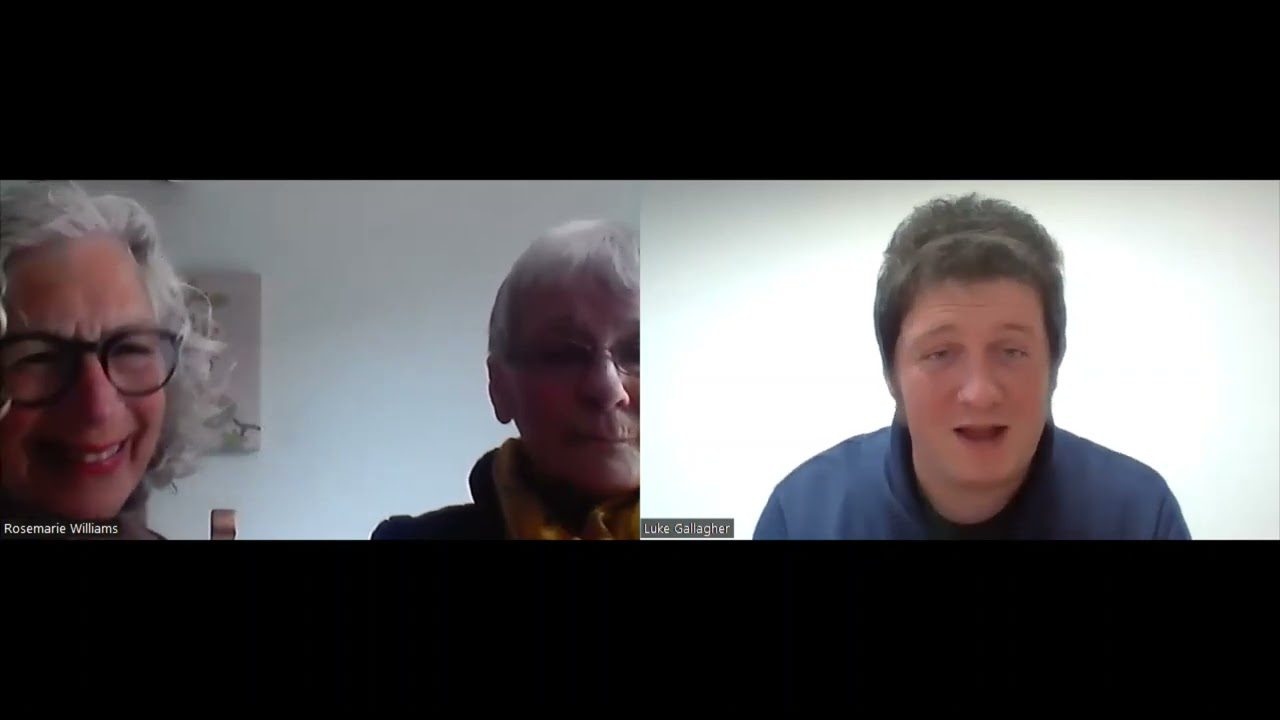
  • WATCH: Dementia Action Week (Interview Rosemarie and Pat)

    WATCH: Dementia Action Week (Interview Rosemarie and Pat)

    Rosemarie and Pat interview transcript 

    LG:

    Hello everyone. It’s day two of Dementia Action Week and we had a really great start to it yesterday and I know that today is not going to be any different. I bring you two very special guests today. Double the trouble and I’m sure double the brilliant answers. I’m joined today with Rosemarie and Pat Williams and they’re going to talk to us a little bit about their story with dementia. For those of you who missed yesterday’s video, the purpose of this series is asking five different individuals, or now six with these two lovely ladies, the same three questions to show that if you’ve met one person living with dementia, you’ve only met one person living with dementia. The way I’m hoping to show this is by showing how different everyone’s answers are during these interviews. Without further ado, thanks very much for joining us today ladies. The first question is, tell us a bit about yourselves. What’s your involvement and your story with dementia?

    RW:

    It came from the church really. It came from St. Anne’s Church in Caia Park. They were looking for somebody to represent the voice of people with dementia. Pat has always worked in the community, I’ve done quite a bit in the community and we thought we’d go along to the meeting where they were trying to enable parishes to become more dementia friendly. Pat thought she was going along to make a cup of tea and help people.

    Get news and info from your local council – sign-up for email bulletins.

    PW:

    I thought it was to volunteer to befriend somebody with Alzheimer’s, take them out for a cup of coffee in the afternoon. That’s what I thought. Got quite a shock when we got there and they told us we had to do a project.


    RW:

    We thought we’d ask people themselves so we asked people in the parish in St. Anne’s what they thought would be helpful. We thought, we don’t want to restrict it to the church, we want the wider community involvement. We invited another group of people to come along to learn more about what the needs were for people. For people who are carers for people with dementia. For people themselves. We had great ideas coming forward and one thing, like Pat said, that was really lacking was a simple guide. There’s loads of information out there but it’s not all put together so we got a group of people together to ask them. We did some research on what is it you’d want in a guide. People told us those answers and we came up with the title “Memories” which is very apt. We met some really interesting people along the way which the people informed us. On the 20th, we’re actually launching “Memories”. We’re having a simple local guide and you’re right Luke, we realise that dementia doesn’t define people. People are individuals and people experience, what they experience, are very varied and different ways. By involving people and agreeing that dementia doesn’t define anybody, there’s still some joy to be had in your life. Our first stopping point is this launch of “Memories”, this leaflet that will go in Wrexham.


    PW:

    From a) How does somebody know that they’ve got dementia? To accessing an assessment and then accessing different services that might be of help to the person who’s got dementia. Also, to the carer. Specifically the carer because they’re under an enormous amount of pressure looking after somebody with dementia. It’s time consuming and it really is exhausting. Especially if they don’t get any respite care as well. That came up a lot in the services from Wrexham County Borough Council, respite care. They just don’t get it. People need respite care if only going to a day centre to allow the carer to be able to go to the shops or get their haircut or something. Even a luncheon club one day a week.


    RW:

    Sorry Luke. We’re looking then to have this guide which, on the 20th, it will be launched. Then there’ll be a next steps project to “Memories” and we’re going to ask people again to come forward in a very socially inclusive, getting people together, to combat isolation. To burst some of the myths that are around about, well, “people don’t know you if you visit them”. Well, people are left with a very good feeling if you visit them as you know as an ambassador. We’re trying to take away some of the stigma surrounding it. There’s a lot of stigma around dementia, mental health. Actually by being ore open about it, by listening to what people say would be helpful, then we’ll develop a plan of things to do over the next twelve months really.


    LG:

    That’s fantastic. That project is brilliant. My colleague, Delyth, did tell me a little bit about what you guys were doing and that was another reason why I was really happy that you guys could join me today. It’s because of people like yourselves why this question might be a little easy for you. Obviously, you are a part of this but, myself being a Dementia Friends Champion, I go out and I do awareness sessions. I take part in campaigns like Dementia Action Week and you both are going out with this brilliant idea of the pamphlet. With all this that’s going on, I think I’m going ot get a really good answer from you here, how important do you feel that there are things like this that we’re all doing, that it’s going on in the community, how vital is it that things like this are going on?


    RW:

    I think it’s important.


    PW:

    It’s got to be because there’s so many more people now suffering with dementia. Dementia sufferers is just on the increase and it’s going to get worse because people are living longer.


    RW:

    It’s all of us. There’s no good looking over our shoulder and saying “It’s her next door, it’s him down the road”. If you think about it, with an ageing population, looking at the demographics, it’s all of us. We’re all included. We all know somebody, we’ve all got a friend or a relative that’s affected by dementia and so what we’re about, really, supporting people to stave off some of the signs of it by people having good wellbeing. We’re hoping that our project will, you know, there’s many things going on, many other projects. We hope that this is something that we can offer and, hopefully, other people will join the bandwagon if you like. We’ve already had the offer of volunteers to come along and do things. We know that music is uplifting for people. I don’t know if you saw on the television about the choir, the dementia choir. That was fantastic.


    LG:

    With Vicky McClure. Yeah, brilliant.


    RW:

    Who knows? We might have a dementia choir in Wrexham, why not?


    LG:

    There’s no reason why we can’t.


    RW:

    No. So, you know, there’s lots of people who’ve got lots of talents to share, including people with dementia. People have got lots of talents and music is one. Only one way through but there are many other ways to touch people so we learn together. There’s lots of learning for all of us.


    LG:

    Definitely.


    PW:

    Inter-generational schemes, talking to school children about their war experiences or just saying about their life experiences and they can do that, old people. Even if they’re suffering from dementia because they remember things like that. They’re passing on their knowledge as well to younger people.


    LG:

    Totally and that leads on to one of the key messages that there is more to the person than the dementia. It’s exactly like what you guys said then that these people could’ve fought in the war. They have still got a story behind the disease. The disease isn’t the person. I’ve spoken to one of the carers in the community and he said very much the same. People don’t talk to the person, they’re talking to the disease and that’s very, very wrong. It’s things like that that need stopping and it’s during these sessions, we get people to think about a positive action to do when you come across someone living with dementia just to make their life a little bit easier. For the people at home, what would you suggest would be a positive action for the people at home?


    RW:

    I think listening. I think as you’ve just said Luke, people seem to not listen to what’s going on so not having that proper interaction and sometimes talk at people rather than really carefully listening. Everybody, as you said, has a story to tell and we can link in with the history of that person. I visited a person recently who was a farmer, Ken, who’s had a real rich life with his farming and his family and his community and has a lot still to give. We think of people being made up of physical and mental but there’s also that spiritual, that tick, inside all of us and his eyes lit up. He was beaming relating to people on a human level. Listening, we can all do it. It’s free. It’s just time.


    PW:

    I think as well, for family members, not to argue with the person that’s got dementia. I’ve been to several houses and the old person has said “I want to go such and such a place”, “Oh no you can’t go, you haven’t been there in years” instead of just going along with it and say “Oh yeah, we can go there later on. Have your dinner first and we’ll go there later” because they will have forgotten about it then but just don’t argue with them because it gets them agitated and you get yourself agitated as well. It doesn’t do either of you any good.


    LG:

    No and those are two really important ones and thanks for sharing them ones. Thank you for your time today. It’s been brilliant. I’ve got to say, the very, very best of luck with the pamphlet. If you need a volunteer, hit me up, I’ll roll my sleeves up.

    RW:

    I’ll put your name down Luke.


    LG:

    You stick that name down there, I’ll roll my sleeves up. I’d be delighted to come and help you. Ladies and gentlemen, I’ve had two fantastic guests on today as you’ve seen for yourselves and it’s only aiding what we’re doing this week. A big, big thank you to Rosemarie and Pat for their time today and thank you guys for tuning in. Keep wearing your Dementia Friends badge with pride and we’ll see you on the nest one. Thanks very much everybody. Thanks both.


    RW:

    Thank you. Take care, bye.

    Get our top stories by email.

    [button color=”” size=”large” type=”square_outlined” target=”new” link=”https://public.govdelivery.com/accounts/UKWCBC/subscriber/new?topic_id=UKWCBC_5″]SIGN UP[/button]

  • A NEW DIGITAL SHOPPING EXPERIENCE HAS  OPENED ON DENBIGH AND WREXHAM HIGH STREET

    A NEW DIGITAL SHOPPING EXPERIENCE HAS OPENED ON DENBIGH AND WREXHAM HIGH STREET

    An innovative shopping experience has opened in Denbigh and Wrexham giving North Wales food and drink producers the opportunity to showcase their produce.

    Get news and info from your local council – sign-up for email bulletins.

    Ffenestr Siop (Shop Window) is a retail initiative delivered by Menter a Busnes to provide Welsh food and drink producers with a wider shop window, and customers with easy access to a fantastic range of local products – each displaying a QR code for ease of shopping.

    Following a successful pilot scheme in the run up to the festive period in 2020, this project will see local products in two shop windows on Denbigh and Wrexham High Streets, which forms part of the Denbighshire Love Live Local campaign and the Wexham City of Culture celebrations.

    The shopping experience will be as easy as 1,2,3.

    1. Point your smartphone at the QR code of choice
    2. Click on the QR code
    3. Buy from the producers website. Buy for yourself or send gifts to loved ones.

    Charlotte Holliday, Cywain’s Food Sector Development Manager, said “The response from producers has been fantastic. Twenty local producers will showcase their products and have the opportunity to sell to customers in this innovative way. The products range from chocolate to cider, and cheese to cakes – something for everyone.

    Rolant Tomos, Cywain’s Innovation and New Market Team Leader, said “It’s really nice to see both stores opening in Denbigh and Wrexham. It’s an opportunity for local residents to support local producers.”

    Emlyn Jones, Denbighshire County Council’s Head of Planning, Public Protection and Countryside Service, said: “This is a great opportunity to showcase local produce as part of the Denbighshire’s #LoveLiveLocal campaign which encourages shoppers to support our local businesses.
    “Our traders provide a wide range of quality food and drink and with the Eisteddfod yr Urdd returning to Denbighshire, this provides a great opportunity to reach those visiting Denbigh and the county as a whole.”

    Wrexham Town Centre Manager, Rachel Cupit said: “We are constantly looking for new and innovative ideas to improve our high street offering and visitor experience. Combining digital technology and in person shopping in a creative way will raise the profile of local producers, as well as increasing footfall to our shopping areas.”

    The pilot project has been made possible thanks to Welsh Governments Transforming Towns programme.

    You will have the opportunity to visit the shop window in Wrexham until January 2023, with the Denbigh project running until July.

    Get our top stories by email.

    [button color=”” size=”large” type=”square_outlined” target=”new” link=”https://public.govdelivery.com/accounts/UKWCBC/subscriber/new?topic_id=UKWCBC_5″]SIGN UP[/button]
  • Issue with phone, internet and Wi-Fi in LL11, LL12, LL13 and LL14

    Issue with phone, internet and Wi-Fi in LL11, LL12, LL13 and LL14

    Openreach is experiencing problems in the postcode areas LL11, LL12, LL13 and LL14, which are particularly affecting phones, Wi-Fi and internet.

    The problem could affect vulnerable people across the borough, and potentially impact people’s telecare and assistive technology. If you have elderly or vulnerable family members, neighbours or friends, please check in on them in case they are having any problems.

    A spokesman for Openreach said: “We are really disappointed to report that our infrastructure serving properties in the Southsea and Coedpoeth area of Wrexham has once again been targeted by criminals.

    “Our engineers have been working hard to repair our damaged infrastructure that has had around 5km of underground copper cable stolen on separate occasions.

    “We’re working closely with police and have deployed enhanced security measures in the area.

    “It goes without saying that cable theft is an issue that has a significant impact on the wider community and we would urge the public to remain vigilant and report any suspicious activity that they spot around any of our infrastructure to the police.”

  • No change to bin collections for the Jubilee bank holidays

    No change to bin collections for the Jubilee bank holidays

    Bin collections will be taking place as normal on the Jubilee bank holidays (Thursday 2 June and Friday 3 June).

    We know that some of you will be planning your Jubilee celebrations, and we ask you to please consider your bin collections when you’re making your plans.

    Get news and info from your local council – sign-up for email bulletins.

    The simplest thing may be to plan your celebrations to avoid your collection day. If you can’t do that, please consider how you can avoid obstructing access for the refuse vehicles.

    Where we know of events taking place we will do our best to get your bins collected as early and as quickly as possible, so please ensure that all bins are out for collection by 7.30am.

    Get our top stories by email.

    [button color=”” size=”large” type=”square_outlined” target=”new” link=”https://public.govdelivery.com/accounts/UKWCBC/subscriber/new?topic_id=UKWCBC_5″]SIGN UP[/button]
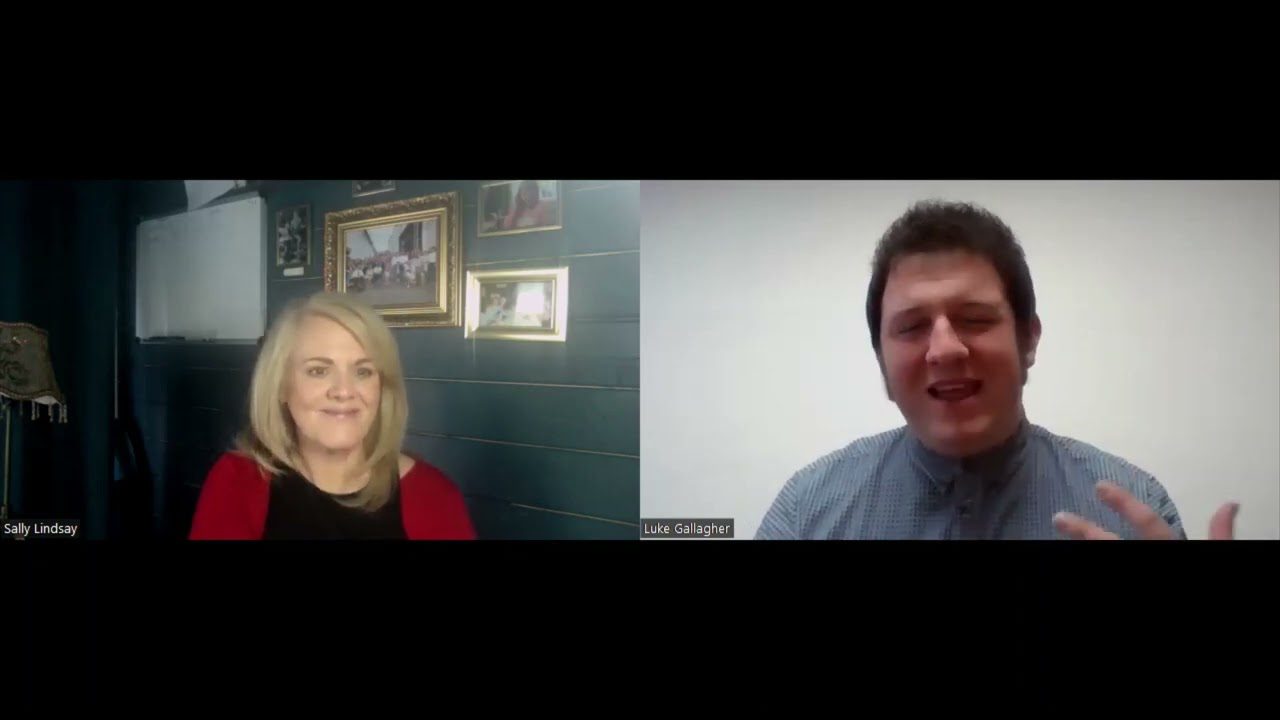
  • WATCH: Dementia Action Week (Sally Lindsay Interview)

    WATCH: Dementia Action Week (Sally Lindsay Interview)

    Sally Lindsay Interview Transcript

    LG: Hi everybody. It’s Luke again for Dementia Action Week and I’m over the moon to say that we’ve got a fabulous guest on this episode. She’s one of those people who doesn’t need introductions because she’s an icon but, for those of you who need a little jog of the memory, she’s worked as part of one of the all-star cast of “Still Open All Hours” as Kath Agnew. When she’s not jetting round showing us posh weekends, she’s also solving mysteries as the new sleuth in town in “The Madame Blanc Mysteries”. I’m delighted to introduce to you, Mrs Sally Lindsay, hello Sally.

    SL: Hi Darling, how are you?

    LG: I’m absolutely over the moon today, how are you?

    SL: Great, yeah, great.

    LG: Pleasure to have you here and thank you for your time today. The purpose of this series, we like to say that if you’ve met one person living with dementia, you’ve met one person living with dementia and to prove this with this series, I’m going to ask five people the same three questions just to show how different all the answers are. With that in mind, can you tell us what your involvement and your story is with dementia please?

    SL: Well, it’s a long one. When I was, I can’t remember now. I think I was about fourteen, fifteen, my grandmother I was terribly close to, she, so this is a long time ago. I’m forty-nine this year, it was a very early diagnosis for Alzheimer’s disease, one of the first actually and I think that was about the early nineties. She rapidly declined from being this extremely active, very funny, amazing Northern matriarch. I mean, I’ve got all my best lines from my gran, she was ace and very helpful in the community. Worked, she was still working, I think she was about sixty-five when she got it and it was just horrific because then, back in those days, there was no support. There was no help. There was no phone lines, no awareness, nothing. We didn’t know what was going on. She went to a, they called it “Senile Dementia”, such old adages and she went to a little respite thing in the day but they couldn’t handle her because she had different needs and it was quite horrific actually. I think from what happened and seeing how we coped which wasn’t very brilliantly but we did our best. When I got the opportunity to have a high profile which was when I joined “Coronation Street”, I was approached by the Alzheimer’s Society because I talked about her in an interview and that was 2001. So, I’ve been an ambassador for the Alzheimer’s Society since then so it’s twenty-one years now. I’ve always been very active in the progress and the progress from there Luke, to now, it’s unbelievable, you know so we’ve got lots to celebrate. It’s a really positive thing that’s happening, to see change, that’s what’s happened. So, that’s my involvement, it was dedicated to my lovely gran so every time I worked for the Alzheimer’s Society, every time I do an interview, every time I do a walk, every time I do any interview like this, it’s to do with her memory and how much she suffered and how much you don’t need to anymore and that’s my involvement really.

    Get news and info from your local council – sign-up for email bulletins.

    LG: That’s incredible and out of something so sad, you’ve made it so positive and it is inspiring as well and it’s lovely that we have someone like you to keep the message going. You touched upon it a little bit there which leads me on really nicely to the next question. You said about the lack of awareness when she was first diagnosed. With that in mind, how important, to you, do you feel that events and campaigns like Dementia Action Week and dementia awareness sessions are in the community these days?

    SL: Well, I always describe Alzheimer’s and other dementia, other types of dementia, as a tsunami really hitting this country and like almost people realised cancer was in the sixties, seventies, like everybody was getting it. It’s always happened but we’re just all of a sudden becoming aware that our family members may not just be going old and a bit mad. Actually, this is a brain disease. It’s to do with nerve endings, it’s to do with how our brain is set up. It’s not just “oh you get old”, I mean I’ve opened centres for people that are my age and younger that have got early onset dementia. This is not like a, it is mainly an older person’s thing but it’s essentially a problem that one of us, somebody will know one person with dementia nowadays. Like we all know somebody who has cancer, we know someone who’s got dementia and my mission, or the mission of the Alzheimer’s Society and I know other dementia charities is to push that profile up as high as cancer awareness is. Not that either is, obviously cancer awareness is massively important and I’ve sadly had family members pass away with that disease as well but Alzheimer’s especially, we just need to raise, and we are doing, awareness that there is hope out there. There is drugs that can help. There’s also communities that can help. Awareness is you don’t have to be on your own. You can pick a phone up and you can ring someone and you can say “I’m out of my depth here, I don’t know what’s going on” because it’s the most challenging disease to care for when you’re a carer and a family because, essentially, you see someone. I always describe it as though it as their memory being taken away day by day. So, you have to manage that in a way that and raising awareness and saying there’s someone who can help, when somebody can help you sorry. That’s what gets better and better and better and I think that’s happening day by day with stuff like dementia week and the Alzheimer’s walks and all the stuff that we do. In terms of those on television, it’s not just me, there’s a warrior of people that are in the industry who are constantly talking about, you know, Alzheimer’s. It’s a really awareness platform. When the diagnosis comes in, they know they’ve got somewhere to go to.

    LG: Yeah, one hundred percent and like you said, quite brilliantly as well, it is changing and that’s a good thing. Another thing people like myself like to do when we go out and talk to the community, we like to get these people in these sessions to think about a positive action for those living with dementia to make their life a bit easier. So, the final question to you would be, for those viewing at home and if you were in that situation delivering a session, what would you recommend would be your positive action?

    SL: It’s a really interesting question actually. There’s lots of solutions I’ve had over the years but the one most profound one, it was opening a dementia centre in an actual hospital wing in a place in Liverpool. I’ve been all around the country doing this for many years and what they did was because, certain types of dementia, you usually lose your short term memory first. Your long-term memory is actually quite healthy. What was the most amazing thing was, there was this whole ward but it was decorated in the fact of, it was period decorated. So, it had old photos, it had, there was a bus stop there that was of the age. There was something that just exercised the mind that was still there. Apparently, overnight, literally the patients became brighter. There was music from the age that they would know where the brain still worked, that could be fifties music or forties music. That’s the kind of thing that I thought was absolutely brilliantly positive. So, when I went out to that place and it really affected me in that, of course, we’re not seeing which parts of the brain are dying but we concentrate on the parts of the brain that are still very much alive. Obviously, in the last stages, that’s not an option but in the early stages, it definitely, definitely is. So, I would encourage people. The first thing I’d encourage anyone who’s gets the first diagnosis is ring a helpline, just ring a helpline. Don’t be scared, don’t be on your own. You’ll get a pamphlet, don’t be scared of using it, ring a helpline because you need someone, you need help, you need to be in a community. You need to go to a dementia café, you need to talk about your loved one that you worshipped an isn’t quite the person they were. That’s something for the carers and the loved ones because you can be positive about it. Also I believe, have a dig around in their old photos. Have a dig around in what music they liked. Have a dig around in what their past was and believe me, it makes such a difference to exercise that part of the brain that’s still with us. They can indulge in that and I’ve seen it. There was another hospital ward I went to and, essentially, there were fake babies there and there’s lots of women on this ward and they thought they were nursing their babies. It was actually quite beautiful, it wasn’t weird and it wasn’t strange. It was just very beautiful because they’d gone back to a place in their head where they were carers again. So, it’s just finding that place with whoever’s in your family. I don’t know what it would’ve been for my mum, my gran because obviously we weren’t aware then which saddens me greatly but it probably would’ve been back in the factory when she was making her hats, she was a seamstress and it would’ve probably been around a sewing machine or when she was funny and she was cracking jokes all day in the factory. So that’s, try and find that place that made, I think, for my grandad, he didn’t die of dementia but it would’ve been playing Perry Como records probably or talking about Manchester City, do you see what I mean? It’s just what their love was and their music and I think that is such a positive thing to do at home and have it playing constantly. It really works.

    LG: Oh definitely and, genuinely, the messages that you’ve given out today are spot on and I can’t thank you enough for your time today. I’m sure everyone at home will agree we’ve really taken something from this so thanks ever so much for your support and your time today.

    SL: You’re very welcome.

    LG: Ladies and gentlemen, a big thank you to Sally Lindsay and thanks for all the support from all of you. Take care.

    SL: Goodbye.

    Get our top stories by email.

    [button color=”” size=”large” type=”square_outlined” target=”new” link=”https://public.govdelivery.com/accounts/UKWCBC/subscriber/new?topic_id=UKWCBC_5″]SIGN UP[/button]